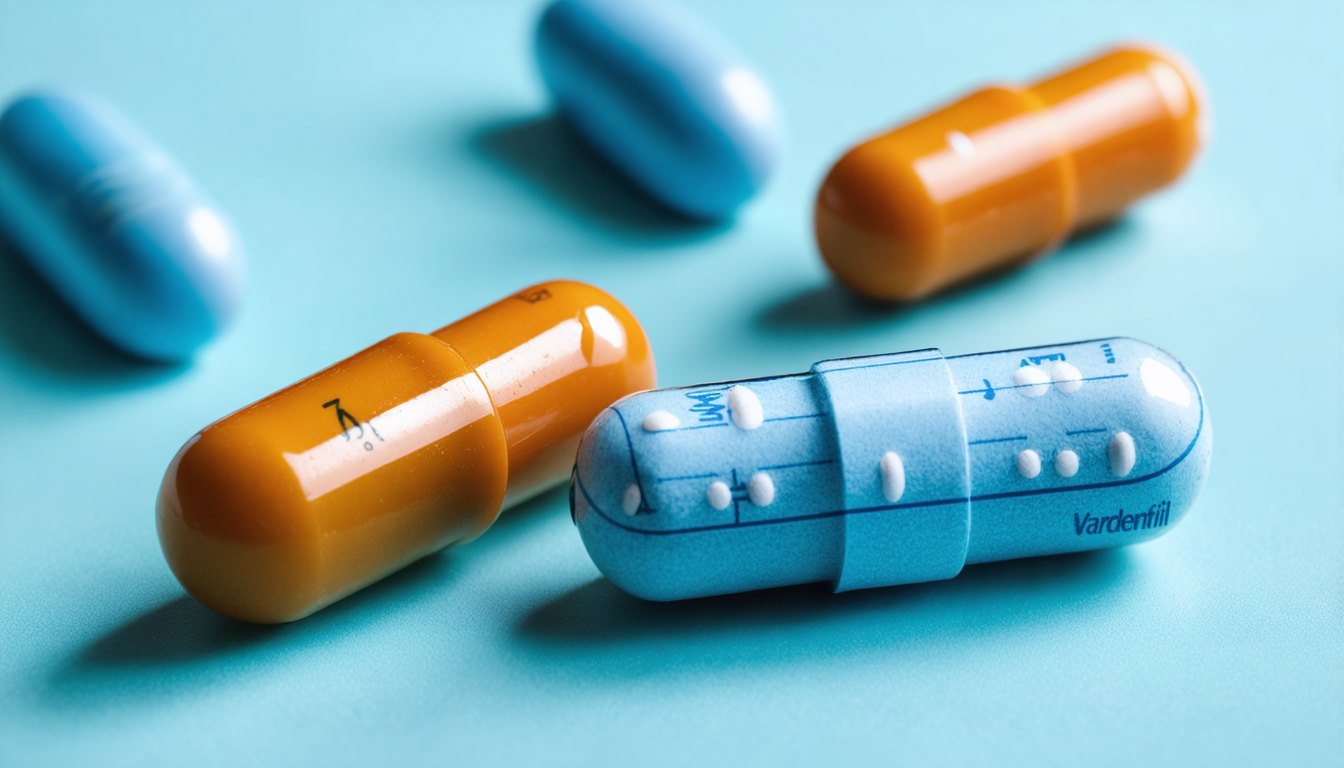
“Vardenafil” — answers to the main questions
Disclaimer: This article is for informational purposes only and does not replace consultation with a qualified healthcare professional. Do not start or stop any medication without medical advice.
Frequently asked questions (FAQ block at the beginning)
What is vardenafil?
Vardenafil is a prescription medication used to treat erectile dysfunction (ED) in adult men. It belongs to a group of drugs called phosphodiesterase type 5 (PDE5) inhibitors. It helps increase blood flow to the penis during sexual stimulation.
How does vardenafil work in the body?
During sexual arousal, nitric oxide is released in penile tissue, leading to relaxation of smooth muscle and increased blood flow. Vardenafil blocks the PDE5 enzyme, which allows this process to last longer. As a result, it supports achieving and maintaining an erection sufficient for sexual activity.
Is vardenafil the same as Levitra?
Levitra is a brand name for vardenafil. There are also generic versions containing the same active ingredient. The effect and safety profile are comparable when taken as prescribed.
What is vardenafil used for?
The main indication is erectile dysfunction. In some countries and under medical supervision, it may also be studied for other vascular-related conditions, but ED remains its primary approved use.
How quickly does vardenafil start working?
It usually begins to work within 30–60 minutes after oral intake. Sexual stimulation is required for it to be effective. The duration of action may last up to 4–5 hours, depending on individual factors.
What are the common side effects?
Common side effects include headache, facial flushing, nasal congestion, indigestion, and dizziness. These are typically mild and temporary. If symptoms persist or worsen, medical advice is recommended.
Are there serious risks or dangers?
Serious but rare risks include sudden vision or hearing loss, chest pain, or an erection lasting more than 4 hours (priapism). Vardenafil can also cause a dangerous drop in blood pressure if combined with nitrates. Immediate medical attention is required in such cases.
Who should not take vardenafil?
Men taking nitrate medications for angina or certain heart conditions should not use it. It is also contraindicated in individuals with severe cardiovascular disease, recent stroke or heart attack, or known hypersensitivity to the drug.
Can I take vardenafil with alcohol?
Small amounts of alcohol may not significantly reduce effectiveness, but excessive drinking can increase side effects and worsen erectile dysfunction. Combining the two may also increase the risk of low blood pressure.
When should I see a doctor about erectile dysfunction?
You should consult a doctor if ED occurs frequently, persists for several weeks, or is accompanied by other symptoms such as chest pain, fatigue, or mood changes. ED can be an early sign of cardiovascular disease or diabetes.
Is it possible to take vardenafil daily?
Unlike some other PDE5 inhibitors, vardenafil is typically prescribed for on-demand use. Only a healthcare provider can determine whether frequent or regular use is appropriate in your case.
Can younger men use vardenafil?
It is approved for adult men with diagnosed erectile dysfunction. ED in younger men often has psychological or lifestyle-related causes, and medical evaluation is important before considering medication.
Detailed breakdown
1. Erectile dysfunction and why it happens
Erectile dysfunction is defined as the consistent inability to achieve or maintain an erection sufficient for satisfactory sexual performance. Causes may include cardiovascular disease, diabetes, hormonal imbalance, neurological disorders, stress, anxiety, or certain medications.
Because penile blood vessels are small, ED can appear earlier than other signs of vascular disease. For more information about related conditions, see our section on men’s health and cardiovascular risk.
2. Mechanism of action of PDE5 inhibitors
Vardenafil, like sildenafil and tadalafil, inhibits the PDE5 enzyme. This enhances the effect of nitric oxide and promotes smooth muscle relaxation in the corpus cavernosum. The result is improved blood inflow during sexual stimulation.
It does not increase sexual desire and does not cause automatic erections. Psychological and physical stimulation remain necessary.
3. Safety profile and contraindications
The safety of vardenafil has been evaluated in multiple clinical trials. Most side effects are mild to moderate. However, combining it with nitrates (such as nitroglycerin) can lead to a severe drop in blood pressure.
Caution is required in men with:
- Unstable angina or severe heart failure
- Recent myocardial infarction or stroke
- Severe liver impairment
- Retinal disorders such as retinitis pigmentosa
If you are unsure whether this medication is safe for you, consult a healthcare provider or read more in our medication safety guide.
4. Comparing vardenafil with other ED medications
Vardenafil is known for its relatively rapid onset and reliable effect. Compared with sildenafil, it may be less affected by food intake, though heavy meals can still delay absorption. Compared with tadalafil, it has a shorter duration of action.
The choice between PDE5 inhibitors depends on individual health status, frequency of sexual activity, tolerance, and physician recommendation.
5. Psychological and lifestyle factors
Medication alone may not fully resolve erectile problems if underlying stress, depression, obesity, smoking, or sedentary lifestyle are present. Addressing modifiable risk factors often improves both erectile and overall cardiovascular health.
You can explore additional resources in our sexual health education section.
Symptom/situation → urgency level → where to seek help
| Symptom or situation | Urgency level | Where to seek help |
|---|---|---|
| Mild headache or flushing | Low | Monitor; consult primary care doctor if persistent |
| Persistent dizziness or low blood pressure symptoms | Moderate | Contact healthcare provider promptly |
| Chest pain after taking vardenafil | High | Emergency medical services immediately |
| Erection lasting more than 4 hours (priapism) | Emergency | Emergency department immediately |
| Sudden vision or hearing loss | Emergency | Urgent specialist or emergency care |
Checklist: what you can do today
- Schedule a medical consultation if erectile dysfunction is persistent.
- Review your current medications with a healthcare professional.
- Check blood pressure, blood sugar, and cholesterol levels.
- Limit alcohol intake and avoid smoking.
- Maintain regular physical activity.
- Adopt a balanced, heart-healthy diet.
- Manage stress through relaxation techniques or counseling.
- Avoid purchasing ED medications from unverified online sources.
- Read official patient information leaflets carefully.
- Seek immediate help if severe side effects occur.
Sources
- U.S. Food and Drug Administration (FDA) — Drug Safety Communications and prescribing information.
- European Medicines Agency (EMA) — Assessment reports on vardenafil.
- National Institutes of Health (NIH), MedlinePlus — Erectile Dysfunction and PDE5 inhibitors.
- American Urological Association (AUA) — Guidelines on Erectile Dysfunction.
- National Health Service (NHS, UK) — Erectile dysfunction overview and treatment options.
